
THE JOURNEY
Where We Are
Coming From
Before the promise of Renewed Hope and the coming into being of Asiwaju’s presidency, hardship in Nigeria had a soundtrack. The accumulated setbacks had produced shattering consequences. The human condition was sad.
Discover the Journey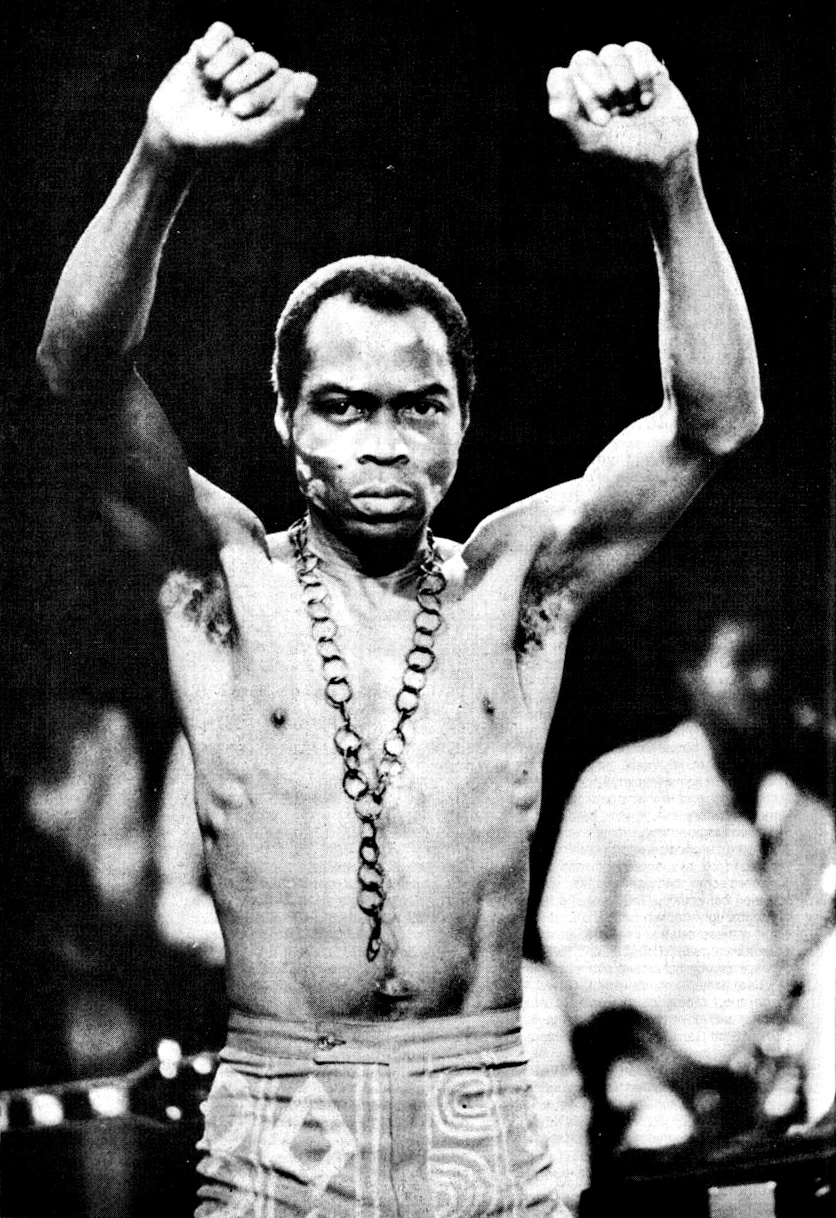
The Voice They Could Not Silence
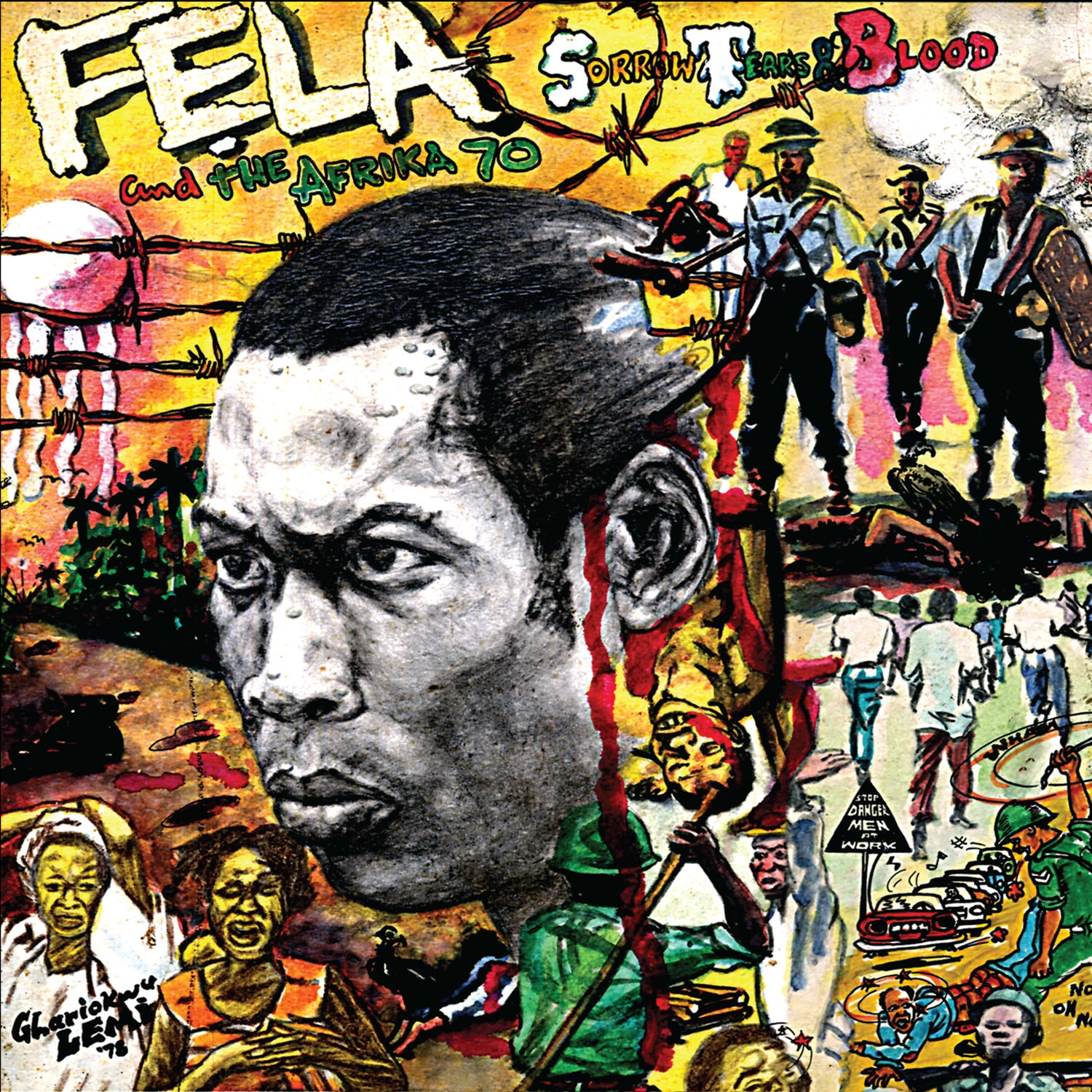
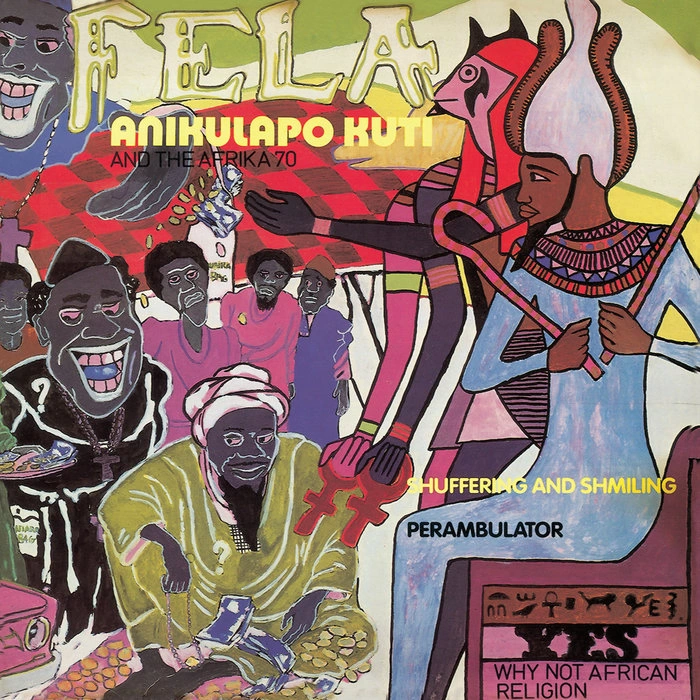
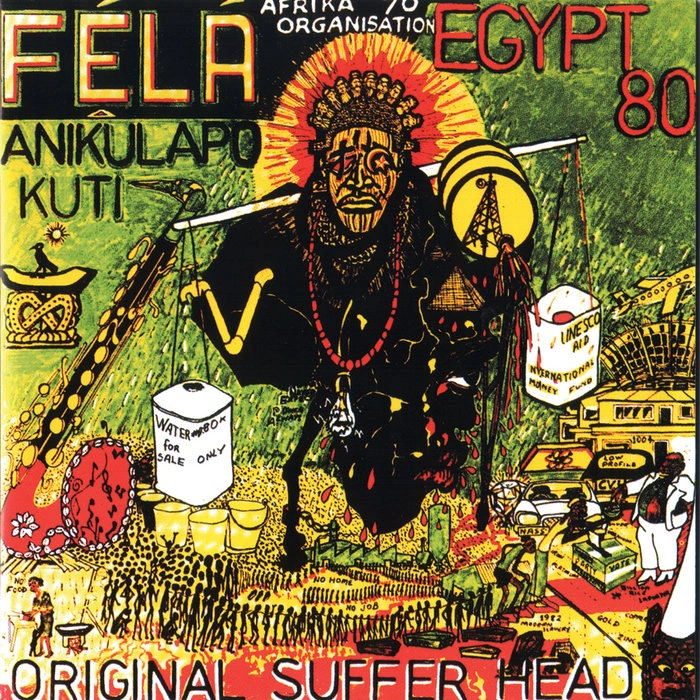
Long before the period examined here, Fela Anikulapo Kuti gave voice to the pressures of Nigerian life. Shuffering & Shmiling, Original Sufferhead and Sorrow, Tears and Blood confronted deprivation, inequality and the abuse of power.
These covers appear here as a reminder that the yearning for a better Nigeria has a long history. The circumstances have changed across generations, but the demand remains familiar: a life of dignity, opportunity and freedom from needless suffering.
The Weight of Everyday Life
At the grassroots, where we are privileged to hear people’s stories and witness their daily struggles, the accounts revealed families living close to the edge.
Each increase in the cost of food, transport, housing or medicine meant another difficult choice.
A mother counted her money against the needs of her household. A father searched for work that could restore the confidence of providing for his children. A young person, willing to learn and eager to contribute, wondered where opportunity might be found.
Hunger reached beyond the empty plate. It interrupted learning, weakened health, strained relationships and narrowed the space in which ambition could grow. When survival consumed the day, tomorrow became harder to imagine.
The desire was simple: a fair chance to work, to earn, to provide and to live without the constant fear of falling further behind.
When Fear Restricted Everyday Life
Insecurity placed another burden upon communities already struggling to make ends meet.
Where people feared the road, travel became an anxious undertaking. Where farmers feared their fields, livelihoods and food supplies came under pressure. Where businesses could not operate with confidence, investment and employment suffered.
Behind the public discussion of security were private decisions: whether to make a journey, open a shop, return to a farm or allow a child to travel.
People longed for the freedom to pursue ordinary lives in peace.
When Essential Services Became Difficult Choices
HEALTHCARE
For households with limited means, illness could become a financial emergency. The cost of treatment competed with food, rent and school expenses. Delayed care could deepen suffering, while the uncertainty of meeting the next medical bill remained a source of fear.
EDUCATION
Education carried its own anxieties. Families made sacrifices to keep children in school. Young people faced the prospect of interrupted study, unaffordable costs or qualifications that did not readily lead to employment.
The questions were deeply personal: could a sick parent receive care? Could a child remain in school? Could learning lead to a livelihood?
A country’s promise is tested in such moments.
When Disappointment Weakened Belief
Repeated hardship did more than reduce purchasing power. It wore down confidence.
Promises heard too often without sufficient change became difficult to trust. Public announcements could no longer carry the weight they once did. People wanted evidence in their homes, workplaces and communities.
Some young Nigerians began to imagine their futures principally beyond the country’s borders.
Their departure represented more than movement across a map; it reflected uncertainty about whether their hopes could find room to flourish at home.
Others stayed, working with extraordinary determination, sustaining families and enterprises despite the obstacles before them. Their resilience kept communities moving. But resilience, however admirable, could not remove the need for functioning institutions and dependable public services.
Compassion Kept Many Lights Burning
Throughout these difficulties, there were people who refused to look away.
Families supported relatives. Communities cared for neighbours. Charitable organisations, faith institutions, businesses and individual benefactors provided meals, scholarships, treatment and opportunities. Some defended women’s rights, educated girls and helped vulnerable people regain a measure of independence.
Their generosity mattered. It relieved suffering and restored dignity.
Yet the scale of need called for something more enduring: institutions that served faithfully, an economy that rewarded effort, and cooperation between government, enterprise and society that could widen opportunity.
The Yearning for Genuine Leadership
Against this background, the demand for leadership was both deep and understandable.
Nigerians wanted leadership that recognised the human consequences of public decisions; leadership that understood why people were hurting and accepted responsibility for finding a way forward.
They wanted the weak to find protection, the young to find opportunity, enterprise to find room to grow, and honest work to find its reward.
Above all, they wanted reasons to believe again.
The Questions That Remained
Could the land we love still become the home we need?
Could honest labour still lead to a life of dignity?
Could our children inherit something better than the struggles their parents had endured?
Would Nigeria ever emerge from this depressing state of affairs?
These were some of the difficult questions on the lips of many Nigerians.
Who would close the painfully wide gap between the country’s enormous promise and the circumstances of everyday life?
THIS IS WHERE OUR STORY BEGINS
The measure of the journey ahead must therefore be found in the lives of the people—in the burdens eased, the opportunities opened and the dignity restored.
This is where we are coming from. This is where our story begins.
Continue to The Record